

In the rapidly evolving landscape of AI writing tools, Twain GPT has emerged as a notable player in the content rewriting space. As writers and content creators seek efficient solutions to refine their work, understanding how Twain GPT compares to alternatives like Ryter Pro becomes essential. This comprehensive analysis explores the capabilities, features, and practical applications of Twain GPT and competing platforms.
What is Twain GPT?
Twain GPT is an AI-powered rewriting tool designed to help users transform existing content into fresh, original text while maintaining the core message. Named after the legendary American author Mark Twain, the platform aims to bring literary quality to AI-assisted writing. When you use Twain GPT, you're accessing advanced language models trained to understand context, tone, and style.
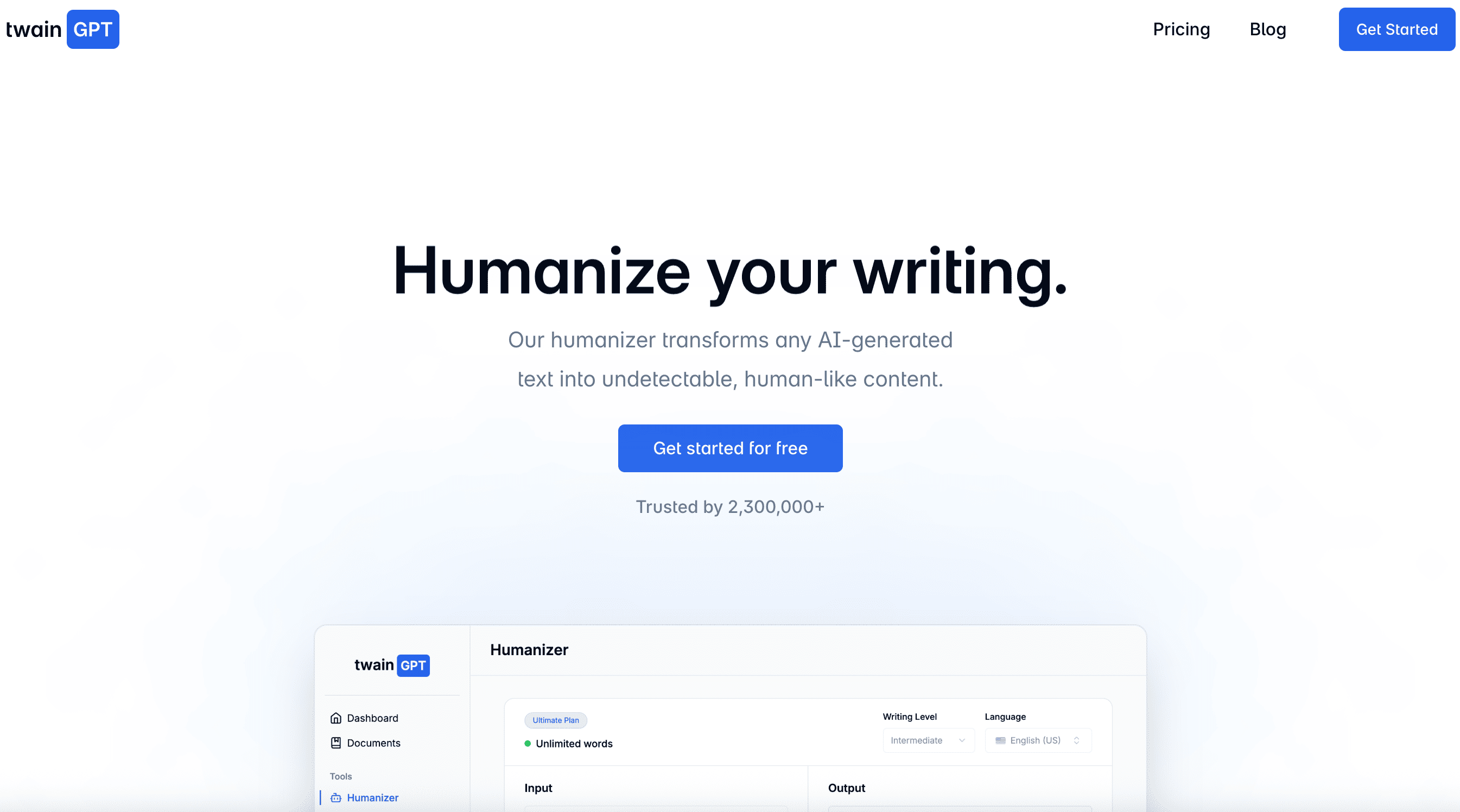
The core functionality of Twain GPT centers on paraphrasing and content transformation. Users input their original text, select desired parameters like tone and formality level, and receive rewritten versions that preserve meaning while altering expression. This makes Twain GPT particularly valuable for:
- Content repurposing: Adapting existing articles for different audiences or platforms
- Plagiarism avoidance: Ensuring originality when building on research or reference materials
- Style adjustment: Converting formal content to casual tone or vice versa
- Language improvement: Enhancing clarity and readability of rough drafts
- SEO optimization: Creating multiple unique versions of similar content
Key Features of Twain GPT
Understanding what makes Twain GPT distinctive helps users determine if it fits their needs. The platform offers several notable features:
Advanced Paraphrasing Engine
Twain GPT employs sophisticated algorithms that go beyond simple synonym replacement. The tool analyzes sentence structure, identifies key concepts, and reconstructs text with genuine linguistic variation. This approach produces more natural-sounding results than basic paraphrasing tools.
Tone and Style Controls
Users can specify desired writing characteristics when using Twain GPT. Options typically include formal/informal tone, technical/accessible language, and concise/elaborate expression. These controls help ensure rewritten content matches your specific requirements.
Batch Processing
For users with substantial content needs, Twain GPT often supports batch processing, allowing multiple documents or paragraphs to be rewritten simultaneously. This efficiency feature saves considerable time for content teams and professional writers.
Plagiarism Detection Integration
Many implementations of Twain GPT include built-in plagiarism checking, helping users verify that rewritten content achieves sufficient originality. This integration streamlines the workflow from rewriting to publication.
Twain GPT vs Ryter Pro: A Detailed Comparison
While Twain GPT offers solid rewriting capabilities, comparing it to comprehensive platforms like Ryter Pro reveals important distinctions that affect user choice.

Feature Breadth
Twain GPT focuses primarily on rewriting and paraphrasing. In contrast, Ryter Pro provides a comprehensive suite including rewriting, AI humanization, content detection, and multiple specialized writing tools. For users needing only basic rewriting, Twain GPT may suffice. However, content professionals requiring diverse capabilities benefit from Ryter Pro's integrated approach.
AI Detection Bypass
A critical consideration in modern content creation is avoiding AI detection. While Twain GPT produces rewritten content, it may not specifically optimize for bypassing AI detection tools. Ryter Pro explicitly addresses this concern with dedicated humanization features that transform AI-generated text into content that passes detection scrutiny. This distinction matters significantly for academic writing, professional publishing, and SEO-focused content.
Customization and Control
Both Twain GPT and Ryter Pro offer customization options, but the depth varies. Twain GPT typically provides standard controls for tone and style. Ryter Pro extends customization further, allowing users to fine-tune multiple parameters simultaneously, creating highly specific output that matches exact requirements.
Pricing and Accessibility
When evaluating Twain GPT against alternatives, pricing structure matters. Twain GPT pricing varies by implementation and access level. Ryter Pro offers transparent, credit-based pricing that scales with usage, providing flexibility for both occasional users and high-volume content creators.
Output Quality and Naturalness
The ultimate test of any rewriting tool is output quality. Twain GPT generally produces coherent, readable rewrites that maintain original meaning. However, users report that results sometimes require manual editing to achieve truly natural flow. Ryter Pro's advanced humanization algorithms specifically target natural language patterns, often producing output that requires minimal post-processing.
Best Use Cases for Twain GPT
Despite competition from comprehensive platforms, Twain GPT excels in specific scenarios:
Quick content refreshes: When you need to rapidly update existing content without extensive customization, Twain GPT provides straightforward rewriting functionality.
Educational purposes: Students and researchers can use Twain GPT to understand different ways of expressing concepts, though they should always ensure proper citation and academic integrity.
Content variation: Marketing teams creating multiple versions of similar messages benefit from Twain GPT's ability to generate diverse expressions of core ideas.
Language learning: Non-native speakers can input their writing into Twain GPT to see alternative phrasings and improve their language skills.
Limitations and Considerations
Understanding Twain GPT limitations helps users set appropriate expectations:
Context preservation: While Twain GPT maintains general meaning, subtle nuances or specialized terminology may be altered in ways that change intended implications. Always review output carefully.
Technical content: Highly technical or specialized content may not rewrite as effectively with Twain GPT. The tool works best with general-purpose writing rather than domain-specific technical documentation.
Creative writing: Twain GPT focuses on rewriting rather than creative generation. Writers seeking original creative content may find the tool limiting compared to platforms designed for content creation from scratch.
Dependency risk: Over-reliance on Twain GPT without developing personal writing skills can hinder long-term growth. Use the tool as an assistant, not a replacement for learning effective writing techniques.
Frequently Asked Questions About Twain GPT
Is Twain GPT free to use?
Availability and pricing for Twain GPT vary depending on the specific implementation and access point. Some versions offer limited free trials or basic free tiers, while full functionality typically requires paid subscriptions. For users seeking comprehensive free alternatives, platforms like Ryter Pro offer trial credits to test capabilities before committing to paid plans.
Can Twain GPT help with academic writing?
Yes, Twain GPT can assist with academic writing by helping rephrase concepts and improve clarity. However, users must ensure they're not violating academic integrity policies. Using Twain GPT to refine your own original ideas is generally acceptable, but using it to disguise plagiarized content is unethical and often detectable. Always check your institution's policies regarding AI writing assistance.
How does Twain GPT compare to ChatGPT for rewriting?
While both Twain GPT and ChatGPT can rewrite content, they serve different purposes. Twain GPT is specifically optimized for rewriting and paraphrasing tasks, often providing more focused functionality for this specific use case. ChatGPT is a general-purpose conversational AI that can rewrite content but may require more specific prompting. For dedicated rewriting workflows, specialized tools like Twain GPT or comprehensive platforms like Ryter Pro often deliver more consistent results.
Does Twain GPT work with languages other than English?
Language support for Twain GPT depends on the specific implementation. Many AI rewriting tools, including Twain GPT, primarily focus on English due to training data availability and market demand. Some versions may support additional languages, but quality and feature availability often vary. Users requiring multilingual rewriting should verify language support before committing to any platform.
Can AI detectors identify content rewritten with Twain GPT?
This is a critical question for many users. Content rewritten with Twain GPT may still trigger AI detection tools, depending on the sophistication of both the rewriting and detection algorithms. If avoiding AI detection is important for your use case, consider platforms like Ryter Pro that specifically include humanization features designed to bypass detection while maintaining content quality and originality.
Alternatives to Twain GPT
While Twain GPT serves many users well, exploring alternatives ensures you find the best fit for your specific needs:
Ryter Pro: Offers comprehensive AI writing tools including advanced rewriting, humanization, and detection bypass capabilities. Ideal for users needing an all-in-one platform with professional-grade features.
QuillBot: Popular paraphrasing tool with multiple rewriting modes and integration options. Good for straightforward rewriting tasks without extensive customization needs.
Wordtune: Focuses on sentence-level rewriting with real-time suggestions. Works well for incremental improvements rather than full document transformation.
Spinbot: Basic free rewriting tool suitable for simple paraphrasing needs. Limited sophistication compared to Twain GPT or premium alternatives.
Conclusion: Choosing the Right Rewriting Tool
Twain GPT represents a capable option in the AI rewriting tool landscape, offering solid paraphrasing functionality and reasonable ease of use. For users with straightforward rewriting needs and limited budget, Twain GPT may provide sufficient capabilities.
However, content professionals, marketers, and writers requiring comprehensive features should consider platforms like Ryter Pro that integrate rewriting with humanization, detection bypass, and multiple specialized tools. The choice between Twain GPT and alternatives ultimately depends on your specific requirements, budget, and the importance of advanced features like AI detection avoidance.
Regardless of which tool you choose, remember that AI rewriting assistants work best as supplements to human creativity and judgment, not replacements. Use Twain GPT or similar tools to enhance your writing process while continuing to develop your own skills and maintaining editorial oversight of all output.
Ready to explore professional-grade AI writing and rewriting tools? Visit Ryter Pro to discover comprehensive solutions that go beyond basic rewriting to deliver truly humanized, detection-proof content that meets the highest professional standards.