

If you've ever pasted AI-generated content into a detector and watched it light up red, you already know the problem. Tools like bladder humanizer exist precisely to solve this — stripping out the telltale statistical patterns that large language models leave behind and replacing them with writing that reads like a real person wrote it. Whether you're a student, marketer, or content creator, understanding how bladder humanizer works (and how to use it effectively) can be the difference between content that connects and content that gets flagged.
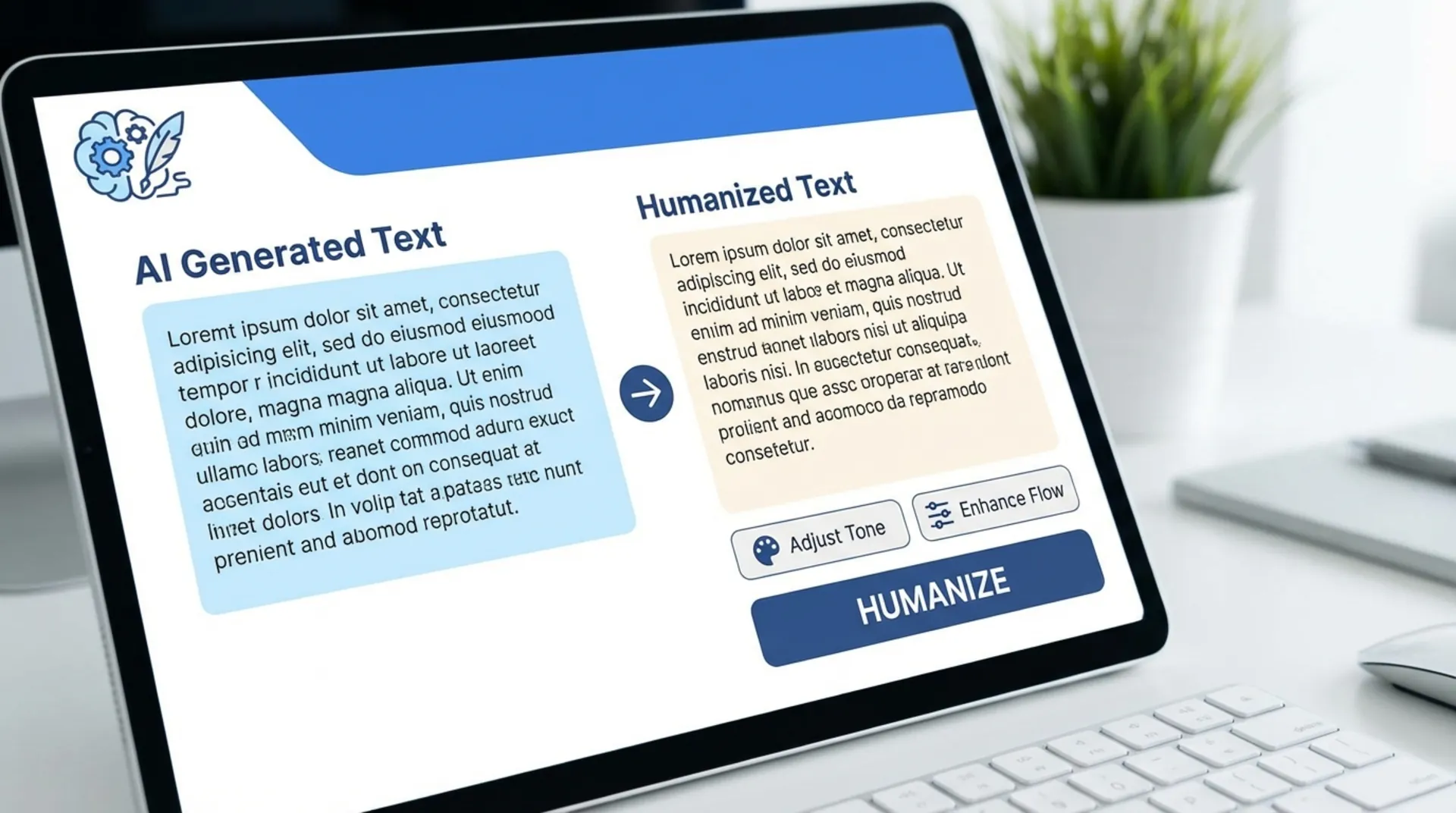
What Is Bladder Humanizer?
Bladder humanizer is an open-source Claude Code skill originally published on GitHub that detects and removes 24 distinct AI writing patterns across four categories: content, language, style, and communication. It was built on top of Wikipedia's "Signs of AI Writing" guide maintained by WikiProject AI Cleanup, giving it a solid, community-vetted foundation.
Technical Reference: The Humanizer Prompt Guide (Full Version)
The complete logic and pattern-matching reference for removing AI writing tells:
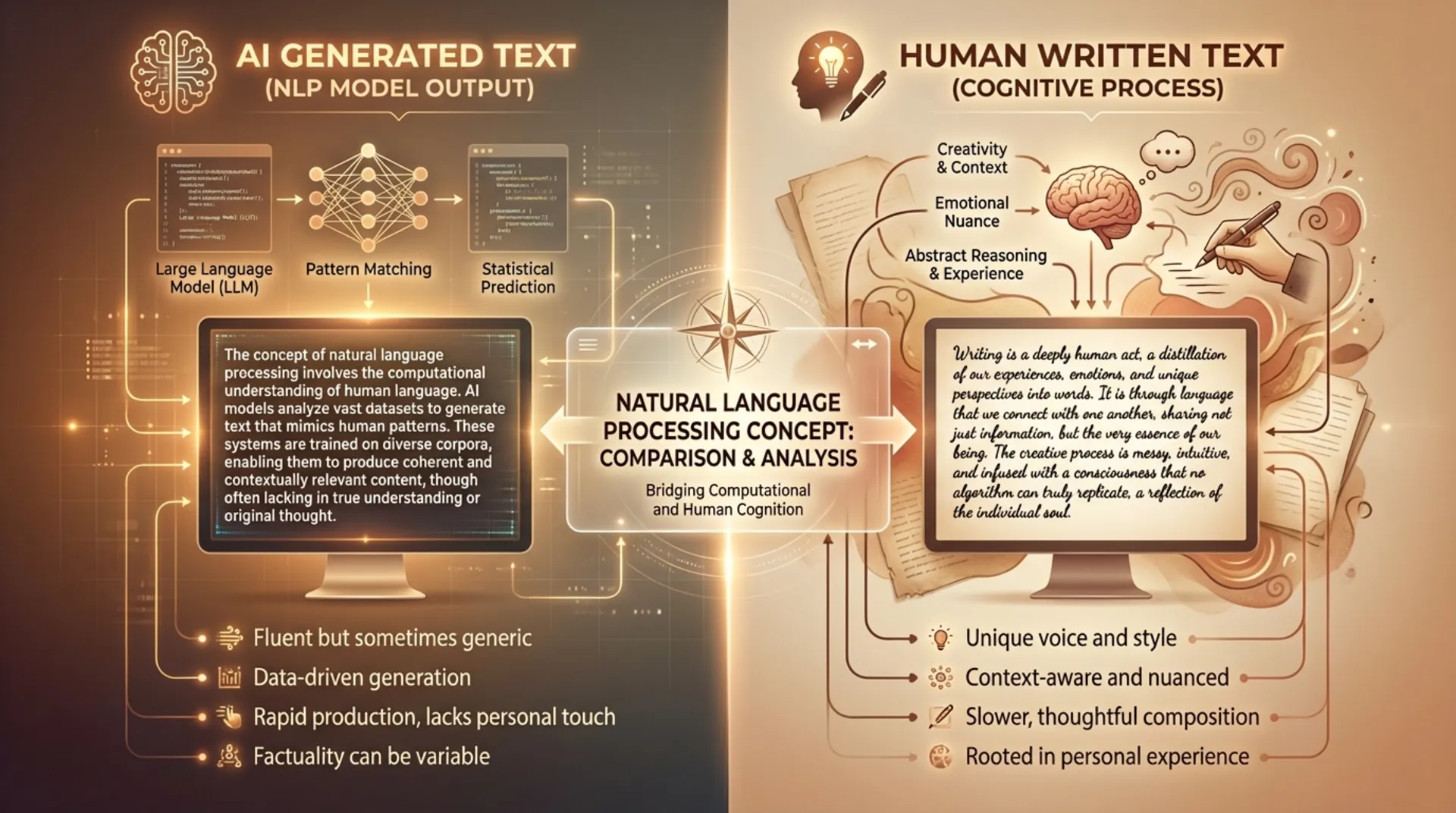
The core insight behind bladder humanizer is simple but powerful: LLMs generate text by statistically predicting the most likely next token. That process produces writing that is technically correct but statistically average — and detectors exploit exactly that predictability. Bladder humanizer breaks those patterns deliberately, introducing the kind of variance and specificity that human writers naturally produce.
With over 8,500 GitHub stars and 664 forks, bladder humanizer has become one of the most referenced AI text transformation tools in the developer community. Its MIT license means you can integrate it freely into your own workflows.
The 24 Patterns Bladder Humanizer Targets
What makes bladder humanizer stand out is its specificity. Rather than vaguely "rewriting" text, it targets named, documented patterns. Here's a breakdown of the four categories:
Content Patterns
- Significance inflation — AI tends to frame everything as important or groundbreaking. Bladder humanizer tones this down.
- Vague attributions — Phrases like "experts say" or "studies show" without specifics. The tool flags and removes these.
- Superficial -ing analyses — Opening sentences like "By leveraging AI, companies can..." are a classic LLM tell.
Language Patterns
- AI vocabulary words — Terms like "delve," "tapestry," "nuanced," and "multifaceted" appear at statistically abnormal rates in LLM output. Bladder humanizer replaces them.
- Em dash overuse — LLMs love the em dash. Humans use it sparingly. The tool normalizes this.
- Negative parallelisms — Constructions like "not only X but also Y" are overrepresented in AI text.
Style Patterns
- Rule of three — AI defaults to listing things in threes. Bladder humanizer varies list lengths.
- Excessive conjunctive phrases — "Furthermore," "Moreover," "Additionally" — all classic AI transitions that get pruned.
Communication Patterns
- Chatbot artifacts — Phrases like "Certainly!" or "Great question!" that bleed in from instruction-tuned models.
- Promotional language — Overly positive framing that reads like marketing copy rather than neutral prose.
How Bladder Humanizer Works: The Two-Pass Process
Bladder humanizer uses a two-pass refinement process. The first pass runs through all 24 pattern checks systematically, flagging and rewriting each issue. The second pass performs an "obviously AI generated" audit — a holistic review to catch anything the pattern-matching missed. This two-stage approach is what separates bladder humanizer from simpler synonym-swapping tools.
The result is text that doesn't just pass surface-level checks but reads authentically. Sentence rhythm varies. Word choice feels deliberate rather than statistically optimal. Transitions feel earned rather than formulaic.
Bladder Humanizer vs. Other AI Humanization Tools
There are plenty of tools claiming to humanize AI text, but most operate as black boxes. Bladder humanizer's open-source, pattern-based approach gives you transparency — you can see exactly what it's changing and why.
For users who want a fully managed, web-based humanization experience without setting up a local Claude Code environment, Ryter Pro offers a production-ready AI humanizer that applies similar principles through a clean browser interface. Ryter Pro's humanizer is built for high-volume use cases — marketers, agencies, and content teams who need reliable, fast humanization without CLI setup.
You can also explore Ryter Pro's AI Humanizer tool directly, or check the pricing page for credit-based plans that scale with your usage.
Practical Use Cases for Bladder Humanizer
Academic Writing
Students using AI assistance for drafts face increasing scrutiny from tools like Turnitin and GPTZero. Running output through bladder humanizer before submission reduces detection risk by eliminating the statistical fingerprints those tools look for. That said, always check your institution's AI use policy.
Content Marketing
Blog posts, product descriptions, and email copy generated by AI often feel flat. Bladder humanizer adds the specificity and tonal variation that makes content feel authored rather than generated — which matters for both reader engagement and SEO.
Social Media and PR
Press releases and social posts written by AI tend toward promotional language and vague superlatives. Bladder humanizer's content pattern detection is particularly effective here, stripping out the puffery and leaving cleaner, more credible copy.
Developer Workflows
For teams using AI to generate documentation, README files, or internal communications, bladder humanizer integrates directly into Claude Code workflows via the /humanizer slash command — making it easy to humanize output as part of an existing AI-assisted writing pipeline.
How to Get Started with Bladder Humanizer
If you're using Claude Code, bladder humanizer is available as a skill. Install it from the GitHub repository and invoke it with /humanizer or by asking Claude to humanize your text directly. The skill handles the rest — running both passes and returning cleaned output.
For a no-setup alternative, Ryter Pro provides the same core humanization capability through a web interface, with additional tools for AI detection, paraphrasing, and content optimization all in one place.
FAQ
What does bladder humanizer actually change in my text?
It targets 24 specific patterns common in LLM output — things like AI vocabulary words ("delve," "nuanced"), em dash overuse, vague attributions, promotional language, and chatbot artifacts. It rewrites these while preserving your original meaning.
Will bladder humanizer make my text undetectable by AI detectors?
It significantly reduces detection scores by removing the statistical patterns detectors rely on. However, no tool guarantees 100% undetectability — detector technology evolves continuously. Bladder humanizer is most effective when combined with your own editing pass.
Is bladder humanizer free to use?
Yes, the original bladder humanizer skill on GitHub is MIT licensed and free. For a managed web-based version with additional features, Ryter Pro offers both free and paid tiers.
How is bladder humanizer different from just using ChatGPT to rewrite text?
Asking an LLM to rewrite LLM output often just produces more LLM output with the same statistical patterns. Bladder humanizer specifically targets and breaks those patterns using a documented, pattern-based approach rather than another round of statistical generation.
Can I use bladder humanizer for languages other than English?
The current implementation is optimized for English, as the pattern library is based on English-language AI writing research. For multilingual humanization, tools like Ryter Pro offer broader language support.
Summary
Bladder humanizer is one of the most technically grounded tools available for transforming AI-generated text into natural human writing. Its pattern-based, two-pass approach targets the specific statistical tells that detectors and human readers alike pick up on — making it a practical choice for anyone working with AI-assisted content at scale. Whether you use the open-source CLI skill or a managed platform like Ryter Pro, the core principle is the same: break the patterns, restore the variance, write like a human.