
As AI writing tools become ubiquitous in education, students and educators frequently ask: "Does SafeAssign detect ChatGPT?" This question has become increasingly critical as institutions rely on plagiarism detection systems to maintain academic integrity. Understanding SafeAssign's capabilities and limitations regarding AI-generated content is essential for both students and instructors navigating this new landscape.
What Is SafeAssign?
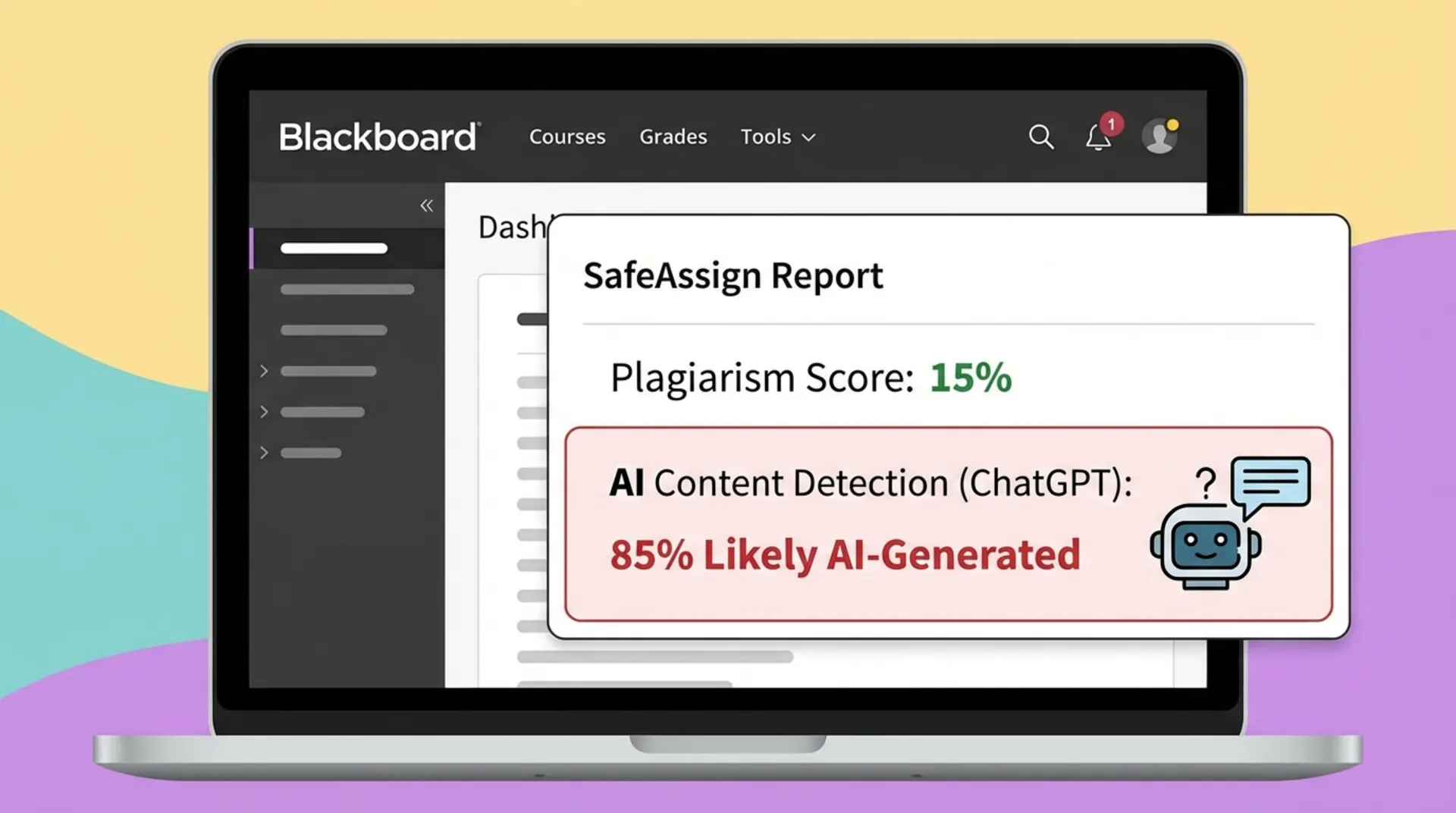
Before addressing whether does SafeAssign detect ChatGPT, it's important to understand what SafeAssign actually does. SafeAssign is Blackboard's plagiarism prevention service that compares submitted assignments against multiple databases:
- Internet sources: Billions of web pages and online content
- ProQuest ABI/Inform database: Academic journals and publications
- Institutional document archives: Papers previously submitted at your institution
- Global Reference Database: Papers from other institutions (opt-in)
SafeAssign generates an "Originality Report" showing the percentage of text that matches existing sources, highlighting potentially plagiarized passages. However, this matching-based approach reveals a fundamental limitation when it comes to AI-generated content.
Does SafeAssign Detect ChatGPT? The Short Answer
No, SafeAssign does not detect ChatGPT or other AI-generated content through its standard plagiarism detection functionality. SafeAssign was designed to identify text copied from existing sources, not to recognize AI-generated writing patterns. Since ChatGPT creates original text rather than copying from existing documents, SafeAssign's matching algorithm cannot flag it as plagiarism.
This limitation exists because:
- ChatGPT generates unique text: Each response is newly created, not copied from a database
- No matching sources: AI-generated content won't match SafeAssign's reference databases
- Different detection methodology needed: Identifying AI writing requires pattern recognition, not text matching
- SafeAssign's original purpose: The tool predates modern AI writing assistants
Why SafeAssign Cannot Detect AI-Generated Content
Understanding why does SafeAssign detect ChatGPT has a negative answer requires examining how both technologies work.
SafeAssign's Text-Matching Approach
SafeAssign operates by:
- Breaking submitted text into smaller segments
- Comparing these segments against its databases
- Identifying matches above a certain threshold
- Calculating an overall similarity percentage
- Generating a report highlighting matched passages
This methodology works excellently for traditional plagiarism—copying text from websites, papers, or other students' work. However, it fails completely with AI-generated content because there's nothing to match against.
How ChatGPT Creates Content
ChatGPT uses large language models to:
- Generate statistically probable text based on patterns learned from training data
- Create unique combinations of words and phrases
- Produce content that has never existed before in that exact form
- Adapt writing style based on prompts and context
Since ChatGPT doesn't copy existing text, SafeAssign's databases contain no matches, resulting in low similarity scores even for entirely AI-written submissions.
What Happens When You Submit ChatGPT Content to SafeAssign?
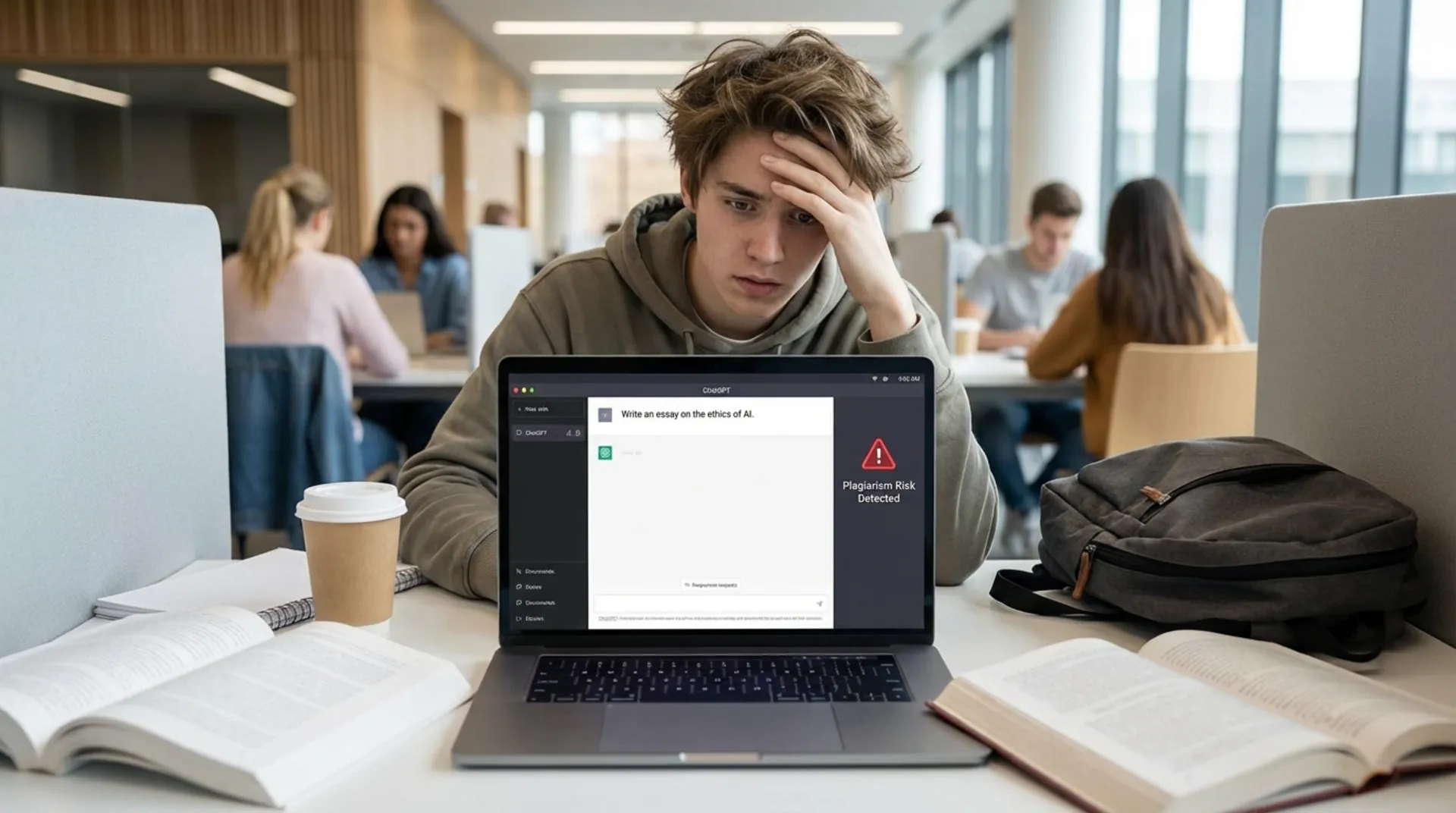
When students submit ChatGPT-generated essays through SafeAssign, the system typically returns very low similarity scores—often 0-5%. This might seem like the content is original, but it simply means SafeAssign found no matching sources in its databases. The low score does not indicate human authorship; it merely reflects the absence of copied text.
Some instructors mistakenly interpret low SafeAssign scores as proof of originality, not realizing that does SafeAssign detect ChatGPT is the wrong question to ask. The tool wasn't designed for this purpose and provides no meaningful information about AI authorship.
Blackboard's Response: AI Detection Integration
Recognizing that does SafeAssign detect ChatGPT has a negative answer, Blackboard has taken steps to address this gap. In 2023, Blackboard announced partnerships with dedicated AI detection companies to integrate AI detection capabilities into their platform alongside SafeAssign.
These integrations include:
- Turnitin AI Detection: Available as an add-on to Blackboard courses
- Third-party AI detectors: Integration options for institutions
- Separate AI detection tools: Instructors can use external services
However, these are separate services from SafeAssign itself. SafeAssign's core functionality remains focused on traditional plagiarism detection through text matching.
Alternatives for Detecting AI-Generated Content
Since the answer to "does SafeAssign detect ChatGPT?" is no, educators need alternative approaches:
Dedicated AI Detection Tools
- Turnitin AI Detection: Integrated with many LMS platforms
- GPTZero: Specifically designed for educational use
- Copyleaks: Offers both plagiarism and AI detection
- Originality.AI: Focuses on AI content identification
Pedagogical Approaches
Beyond detection tools, effective strategies include:
- Process-based assignments: Require drafts, outlines, and revision history
- In-class writing: Supervised assignments that prevent AI use
- Oral presentations: Students explain and defend their written work
- Personalized topics: Assignments specific to individual student experiences
- Authentic assessment: Real-world applications that AI cannot easily complete
Using AI Responsibly: The Role of Humanization
For students who use AI tools ethically as writing assistants—for brainstorming, outlining, or editing—ensuring the final product reflects authentic human voice becomes important. Tools like Ryter Pro help writers humanize AI-assisted content, making it sound more natural and personal while maintaining academic integrity.
Legitimate uses of AI humanization include:
- Refining AI-generated outlines: Adding personal voice and examples
- Improving ESL writing: Making non-native English sound more natural
- Editing AI suggestions: Incorporating AI feedback while maintaining authorship
- Avoiding false positives: Ensuring authentic writing isn't incorrectly flagged
Frequently Asked Questions
Can SafeAssign tell if I used ChatGPT?
No, SafeAssign cannot detect ChatGPT usage. SafeAssign only identifies text copied from existing sources in its databases. Since ChatGPT generates original text, SafeAssign will typically show very low similarity scores even for entirely AI-written content. Instructors need separate AI detection tools to identify ChatGPT usage.
Will my ChatGPT essay get a 0% on SafeAssign?
Most likely, yes. ChatGPT-generated essays typically receive 0-5% similarity scores on SafeAssign because the AI creates unique text that doesn't match existing sources. However, a low SafeAssign score does not mean your work is undetectable—instructors may use other methods or AI detection tools to identify AI-generated content.
Is Blackboard adding AI detection to SafeAssign?
Blackboard has integrated AI detection capabilities into its platform through partnerships with companies like Turnitin, but these are separate services from SafeAssign itself. SafeAssign continues to focus on traditional plagiarism detection. Institutions can enable AI detection as an additional feature, but it operates independently from SafeAssign's text-matching functionality.
How can professors tell if I used ChatGPT if SafeAssign can't detect it?
Professors use multiple methods beyond SafeAssign: dedicated AI detection tools (GPTZero, Turnitin AI), writing style analysis, inconsistencies with previous work, generic or formulaic content patterns, lack of specific examples, and oral questioning about the content. Many instructors can also recognize AI writing through experience with its characteristic patterns and limitations.
Can I use AI tools ethically for schoolwork?
This depends on your institution's policies and your instructor's guidelines. Many schools allow AI tools for brainstorming, outlining, or editing, but not for generating final content. Always check your syllabus and ask your instructor about acceptable AI use. When using AI ethically as a writing assistant, tools like Ryter Pro can help ensure your final work reflects authentic human voice and meets academic standards.
Conclusion: The Limitations of Traditional Plagiarism Detection
The question "does SafeAssign detect ChatGPT?" highlights the gap between traditional plagiarism detection and the challenges posed by AI writing tools. SafeAssign remains effective for its original purpose—identifying copied text from existing sources—but cannot detect AI-generated content.
Students should understand that low SafeAssign scores don't guarantee undetected AI use. Instructors increasingly employ dedicated AI detection tools, pedagogical strategies, and professional judgment to identify AI-generated work. The most sustainable approach involves using AI tools ethically and transparently, following institutional guidelines, and ensuring all submitted work genuinely reflects your understanding and voice.
For those using AI as a legitimate writing assistant, platforms like Ryter Pro offer tools to humanize AI-assisted content while maintaining academic integrity. As educational technology evolves, the focus should shift from detection to fostering authentic learning and ethical AI use.